
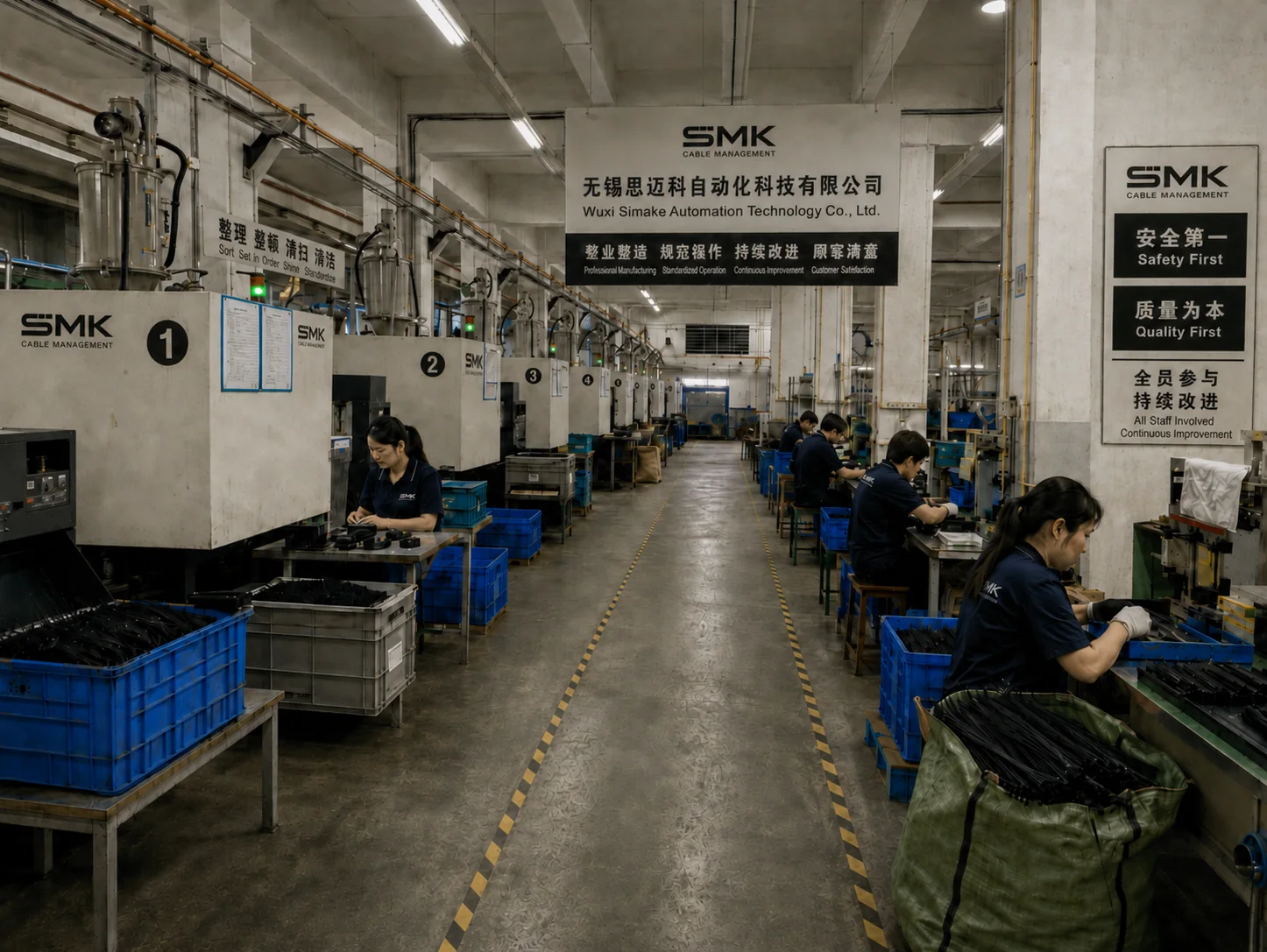
Key factors to check when choosing a cable ties manufacturer, including factory capacity, quality control, certificates, and export experience. This article explains the topic in a practical B2B way, with focus on product selection, sourcing risk, and clear communication with a cable ties manufacturer.
Check product range and specialization
A reliable cable ties manufacturer should understand standard nylon cable ties, UV resistant cable ties, heavy duty ties, releasable ties, stainless steel cable ties, and related cable management products. A broad but focused range helps buyers source efficiently.
Review specifications and samples
Clear specifications are essential. Buyers should ask for length, width, bundle diameter, tensile strength, material, color, packaging, and available documents. Samples should be checked for locking performance, flexibility, appearance, and packaging quality.
Evaluate communication
Good communication reduces sourcing mistakes. A reliable cable tie supplier should ask about application, quantity, packaging, target market, and delivery needs. If the supplier only sends a price without confirming details, risk may be higher.
Confirm quality control and documents
Do not assume every certificate or claim is available. Ask what documents can actually be provided, such as material declarations, specification sheets, or third-party reports when required. Avoid exaggerated claims that cannot be supported.
Consider long-term supply
For importers and distributors, repeat supply is more important than one low-price order. Check lead time, core size availability, packaging consistency, and how the supplier handles questions after shipment.
Specification Table
| Supplier Check | Good Sign | Risk Sign |
|---|---|---|
| Specifications | Clear size and material data | Only price, no details |
| Samples | Available before bulk order | No sample support |
| Communication | Asks about application | Ignores project requirements |
| Packaging | Can confirm labels and cartons | Unclear packing information |
| Documents | Explains available documents honestly | Makes unsupported claims |
Application Suggestions
- Importer supplier evaluation
- Distributor product sourcing
- Project buyer vendor selection
- Private label cable tie sourcing
- Long-term cable management products supply
Buying Tips
- Ask for complete specification sheets.
- Test samples before ordering.
- Confirm packaging and carton details.
- Avoid suppliers who overpromise documents.
- Choose a partner who supports repeat orders and clear communication.
B2B Procurement Checklist
Evaluate suppliers using the same written checklist: legal company details, product range, material options, specification completeness, sample quality, quality-control process, capacity, minimum order quantity, lead time, packaging capability, export experience, communication, Incoterms, and available documentation. Compare approved samples and quotations on equal specifications, document every agreed change, and begin with a controlled order before committing to a long-term supply program.
Verify capability with evidence
Ask each candidate to provide a clear company profile, product list, size range, material options, production lead time, minimum order quantity, packaging capability, quality-control steps, and the documents available for the products being quoted. Compare answers with samples and written specifications. A polished website or a low quotation does not prove that a supplier can hold dimensions, locking performance, color, packaging, and delivery consistency across repeat orders. Avoid claims that cannot be connected to a specific product or document.
Run a controlled sample evaluation
Send the same requirement sheet to every shortlisted supplier and request comparable samples. Check dimensions, bundle fit, head and pawl condition, flexibility, locking feel, tensile-strength information, color, quantity per bag, labels, and carton quality. Record results using photographs and a simple approval table. When the samples differ, ask for the exact model and material used instead of assuming that the lowest-priced sample represents the final production specification.
Test the working relationship before scaling
Begin with a controlled order or a limited group of core sizes when practical. Confirm the purchase specification, artwork revision, inspection points, Incoterms, payment terms, production schedule, packing list, shipping marks, and claim-handling process in writing. Evaluate how quickly the supplier reports changes and resolves questions. A reliable cable ties manufacturer should support repeatable orders, not only one successful shipment. Keep approved samples and order records so the next purchase can be compared against an agreed baseline.
Before approving a long-term supplier, review the first delivery as a complete transaction: product conformity, quantity accuracy, carton condition, document accuracy, response time, and corrective-action handling. Record any deviation and the agreed solution. A supplier that communicates problems early and closes corrective actions clearly is easier to manage than one that only offers a low initial price.
FAQ
What should be checked before choosing a manufacturer?
Review product specifications, material options, samples, quality-control steps, capacity, lead time, packaging, export terms, communication, and available documents.
Is the lowest quotation the best choice?
Not necessarily. First align dimensions, material, strength, quantity, packaging, Incoterms, and documentation so prices represent comparable products.
How can buyers evaluate sample quality?
Check dimensions, bundle fit, flexibility, locking consistency, appearance, color, labels, quantity per bag, and carton protection.
Should a first order be smaller?
A controlled first order can help verify production consistency, communication, packaging, delivery, and claim handling before scaling.
How can repeat-order changes be prevented?
Keep approved samples, specifications, artwork revisions, inspection records, and written change approvals with the purchasing file.
Related Products
Products for This Guide
Review specifications or request pricing for the products most relevant to this article.
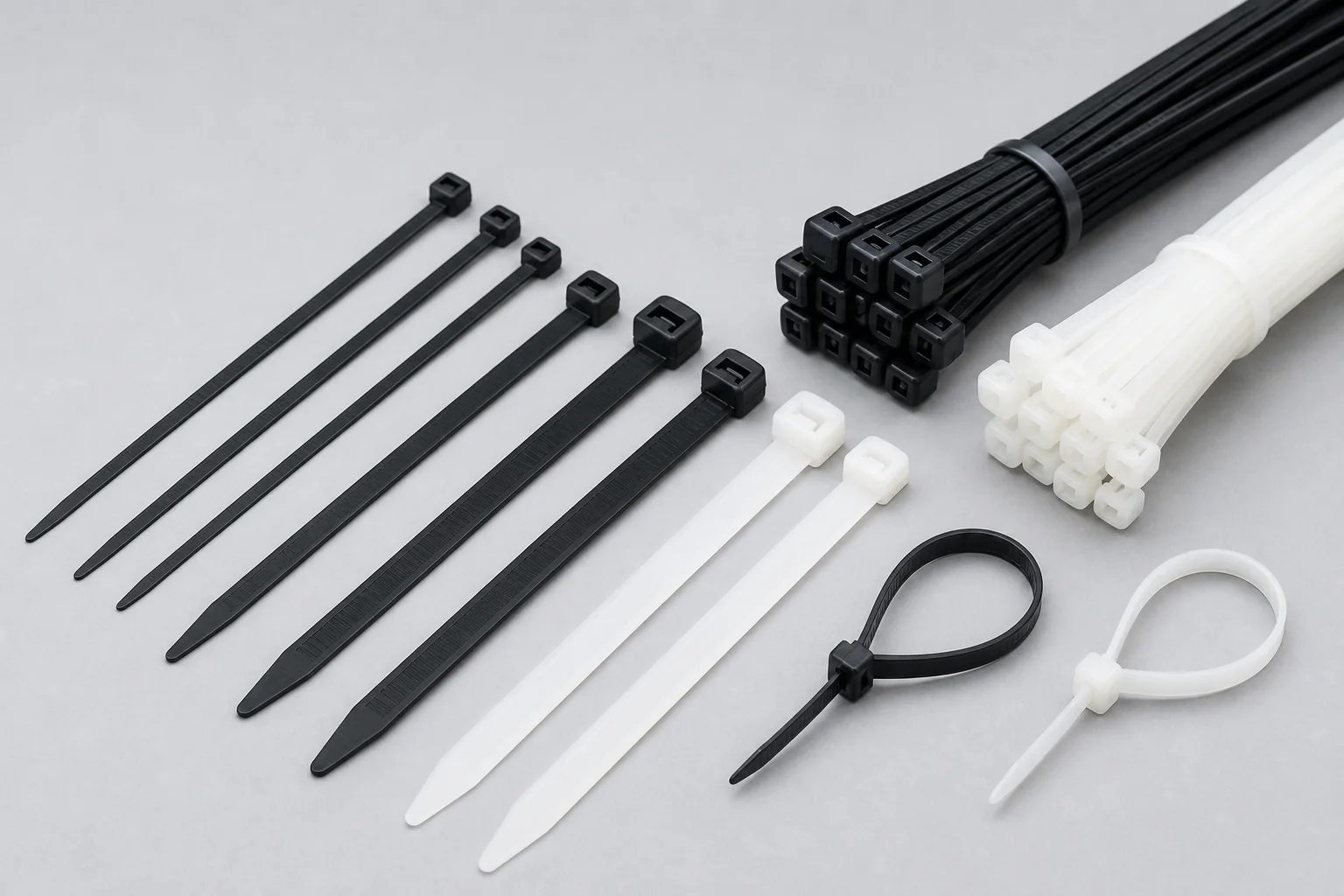
Standard Nylon Cable Ties
The most widely used cable fastening solution for electrical, factory, construction, electronics, and wholesale markets.
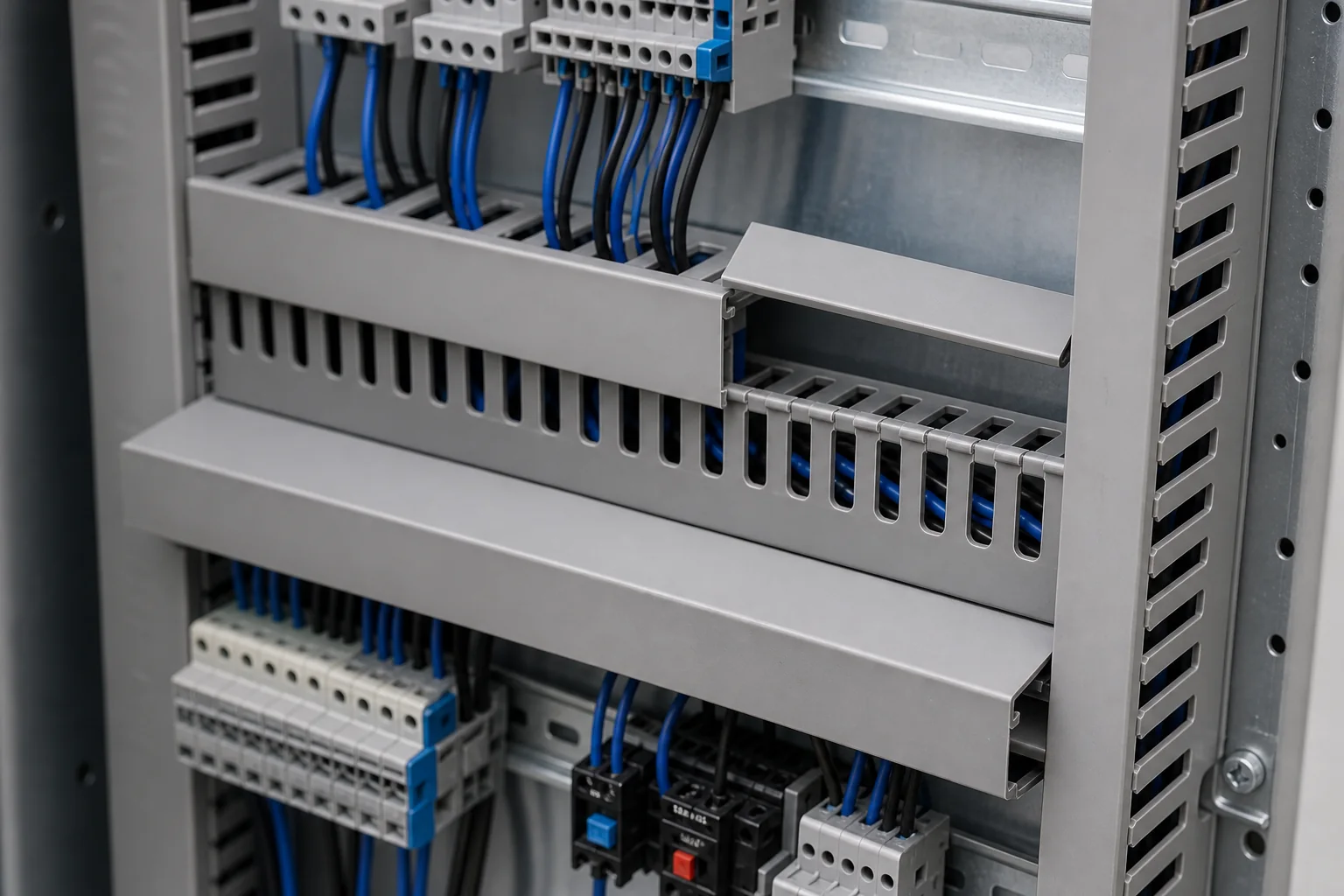
Insulated Wiring Duct
Standard slotted PVC wiring duct for organized routing inside control panels and electrical cabinets.