

A practical guide for global buyers sourcing cable ties from China through qualified manufacturers and factories. This article explains the topic in a practical B2B way, with focus on product selection, sourcing risk, and clear communication with a cable ties manufacturer.
Mature supply chain
China has a mature supply chain for cable ties, wiring ducts, cable clips, mounting bases, PVC marking tubes, packaging, and export logistics. This allows importers to source multiple cable management products from one country and build a more complete product range.
Wide product range
A cable ties factory China supplier can usually provide standard nylon cable ties, UV resistant cable ties, releasable ties, heavy duty ties, stainless steel cable ties, and related accessories. This is useful for wholesalers and distributors who need different product levels for different customers.
Cost and order flexibility
China is competitive for wholesale cable ties because of production scale and supplier networks. Buyers should still compare quality, material, packaging, and communication, not only the lowest price. A reliable supplier should explain options clearly.
Export packaging and documentation
Importers often need carton marks, barcode labels, private label packaging, packing lists, and product documents. Confirm these details before ordering, especially for retail distribution or project tenders.
How to reduce sourcing risk
Request samples, confirm specifications, review packaging artwork, check lead time, and keep written order details. Stable communication with the cable ties manufacturer reduces mistakes and improves repeat purchasing.
Specification Table
| Import Factor | Why It Matters | Buyer Action |
|---|---|---|
| Product range | Supports multiple market needs | Ask for catalog and size chart |
| Packaging | Affects retail and warehouse handling | Confirm bag, label, carton |
| Quality | Reduces complaints and returns | Approve samples first |
| Lead time | Supports inventory planning | Confirm before payment |
| Documents | Needed for customs or projects | Ask what can be provided |
Application Suggestions
- Distributor product lines
- Wholesale cable ties programs
- Project procurement
- Private label packaging
- One-stop sourcing for cable management products
Buying Tips
- Choose suppliers with clear product data.
- Do not judge only by the lowest quotation.
- Confirm export packaging before production.
- Ask for samples and photos.
- Build a repeat order plan for core sizes.
B2B Procurement Checklist
Use one comparison sheet for every shortlisted supplier. Confirm company details, product models, dimensions, tensile strength, material, samples, quality-control points, packaging, carton data, labeling, available documentation, minimum order quantity, production lead time, Incoterms, payment terms, and claim-handling process. Compare quotations only after specifications are aligned, retain approved samples and artwork, and document pre-shipment inspection requirements before placing the first bulk order.
Normalize quotations before comparison
Send every supplier the same list of models, dimensions, material options, colors, tensile-strength requirements, quantities, packing methods, labels, and required documents. Ask suppliers to identify any deviation instead of silently quoting a nearby product. Compare unit price together with bag quantity, carton quantity, tooling or printing charges, minimum order quantity, lead time, Incoterms, and payment terms. A normalized comparison prevents an apparently low price from hiding a different width, material, strength, or packing quantity.
Approve samples and production references
Check samples for dimensions, bundle fit, flexibility, locking consistency, appearance, color, quantity per bag, labels, and carton protection. Keep the approved samples and artwork revision numbers with the purchase order. If production samples differ from the initial sample, resolve the difference before shipment. For custom packaging, scan barcodes and verify model, language, origin wording, carton marks, and shipping marks rather than approving artwork only on screen.
Plan inspection, shipping, and repeat orders
Define pre-shipment inspection points, acceptable quantity tolerance, packing-list format, pallet requirements, freight method, and the process for damaged cartons or specification claims. Confirm which party handles export documents and what product documentation is available. After receiving the first order, record inspection results and customer feedback by model. Use the same specification, approved sample, and packaging revision for repeat orders. This turns sourcing from China into a controlled supply program instead of a series of unrelated price purchases.
Calculate landed cost before supplier approval. Include product value, custom packaging, inspection, inland transport, freight, insurance, import duty, tax, customs clearance, storage, and local delivery. Confirm the applicable tariff classification with a qualified customs adviser in the destination market. This comparison gives buyers a more realistic basis than factory unit price alone.
FAQ
What information is needed for a comparable quotation?
Provide aligned models, dimensions, material, strength, color, quantity, packaging, labels, documents, lead time, and Incoterms to every supplier.
Should buyers choose only by unit price?
No. Compare specifications, packing quantity, tooling charges, minimum order, quality control, lead time, freight terms, and repeat-order consistency.
What should be checked on samples?
Check dimensions, locking, flexibility, bundle fit, color, quantity per bag, labels, barcode, carton protection, and agreement with the quotation.
Is pre-shipment inspection useful?
It can verify agreed specifications, quantity, packaging, labels, shipping marks, and visible workmanship before the goods leave the supplier.
How can importers manage repeat orders?
Use the same approved samples, specification sheets, artwork revisions, inspection points, and written change-control process for every order.
Related Products
Products for This Guide
Review specifications or request pricing for the products most relevant to this article.
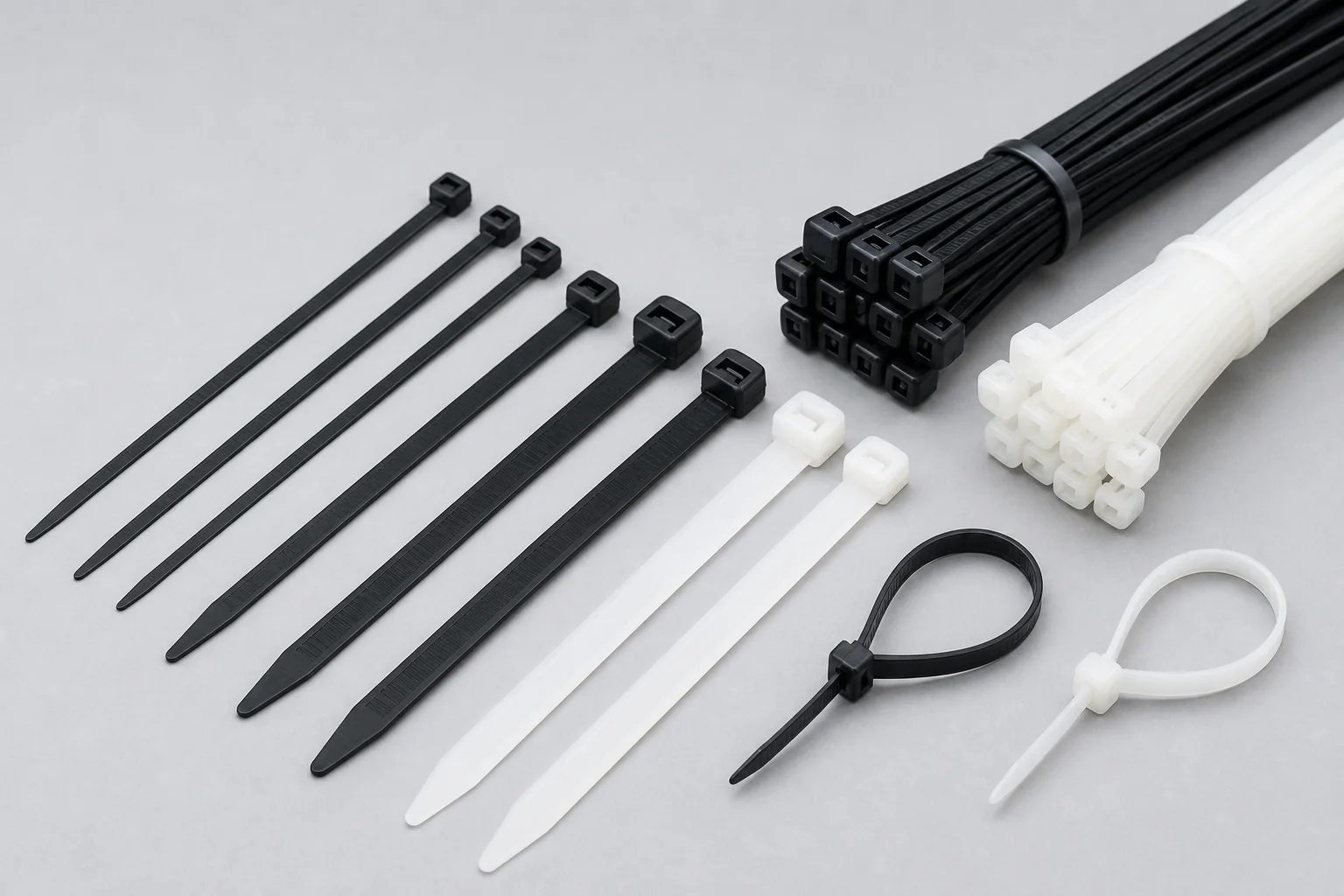
Standard Nylon Cable Ties
The most widely used cable fastening solution for electrical, factory, construction, electronics, and wholesale markets.
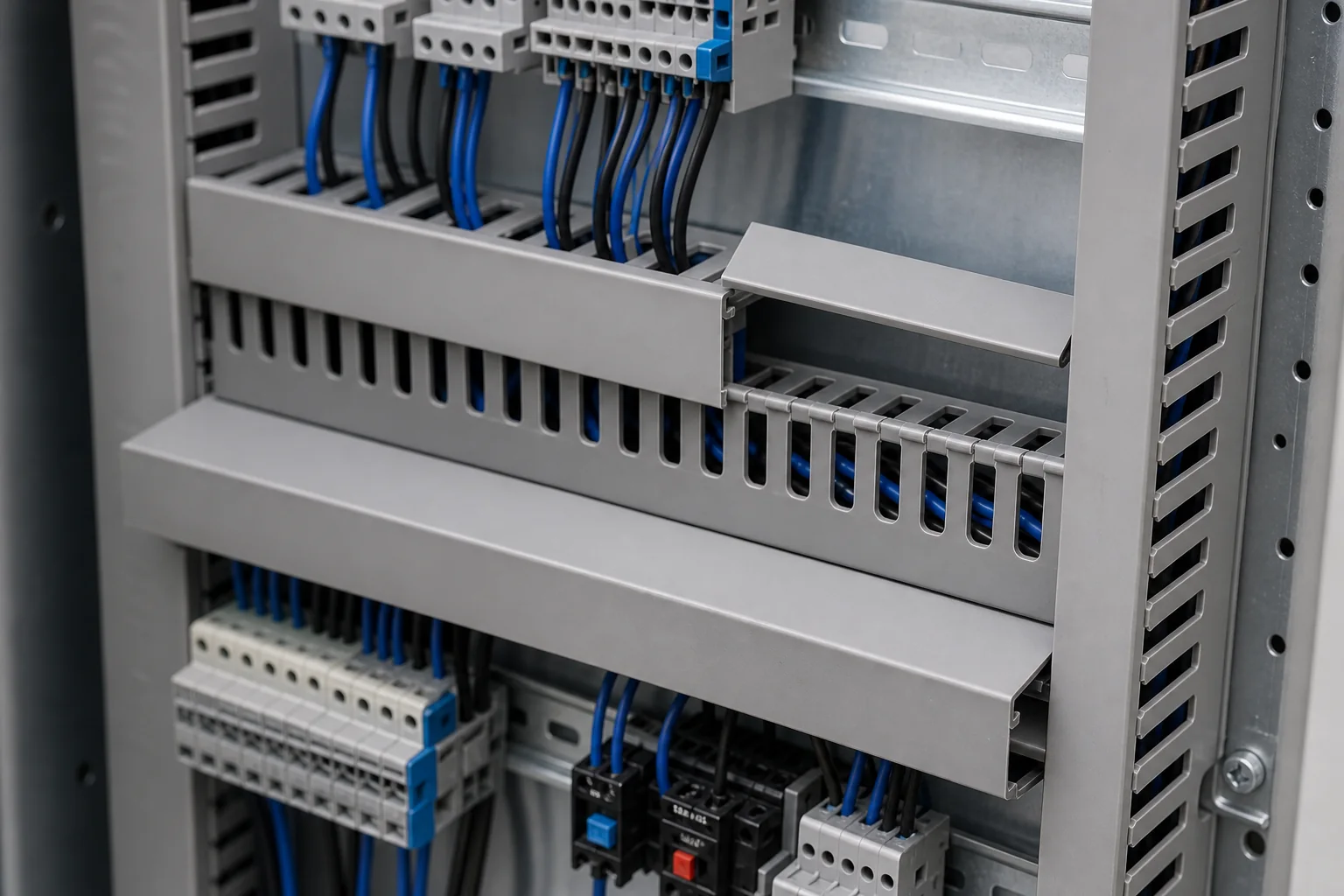
Insulated Wiring Duct
Standard slotted PVC wiring duct for organized routing inside control panels and electrical cabinets.