

Requesting a price for a PLC control cabinet is not the same as asking for a standard catalogue item. A cabinet can combine hardware, internal wiring, software, testing, and documentation. If the request only states a size and quantity, each supplier may quote a different scope.
A complete PLC control cabinet RFQ checklist reduces assumptions and helps the supplier prepare a quotation that reflects the intended application.
This guide explains what OEM buyers, automation teams, contractors, and industrial procurement professionals should include in a request for quotation.
1. Define the Cabinet Scope Before Listing Components
Start by explaining what the cabinet must do and which party owns each part of the work.
Build-to-print
The buyer supplies approved drawings, BOM, layout, terminal schedule, and wiring requirements. The supplier builds to the released documents.
Design-and-build
The supplier develops some or all of the design from functional requirements. State who owns component selection, schematics, PLC/HMI work, review, and approval.
Retrofit or replacement
Provide photographs, nameplate data, current drawings, field cable details, existing PLC information, and clear limits for the replacement work.
Do not assume engineering, programming, installation, or commissioning is included simply because the quotation says “PLC cabinet.”
2. Describe the Machine, Process, and Operating Environment
Give the supplier enough context to understand the application. A short functional description is more useful than a list of components without explaining how they work together.
Include the machine or process type, operating sequence, controlled loads, operating modes, installation location, ambient conditions, mounting method, access, cable entry, and field connections.
Provide the incoming voltage, phase, frequency, control voltage, and known load information. For motors or drives, identify ratings and the intended starting or speed-control method.
Do not select an enclosure or cooling method from a generic description alone. The final decision should consider the real environment, component heat, cabinet layout, applicable project specifications, and required protection level.
3. Prepare the Core Engineering Documents
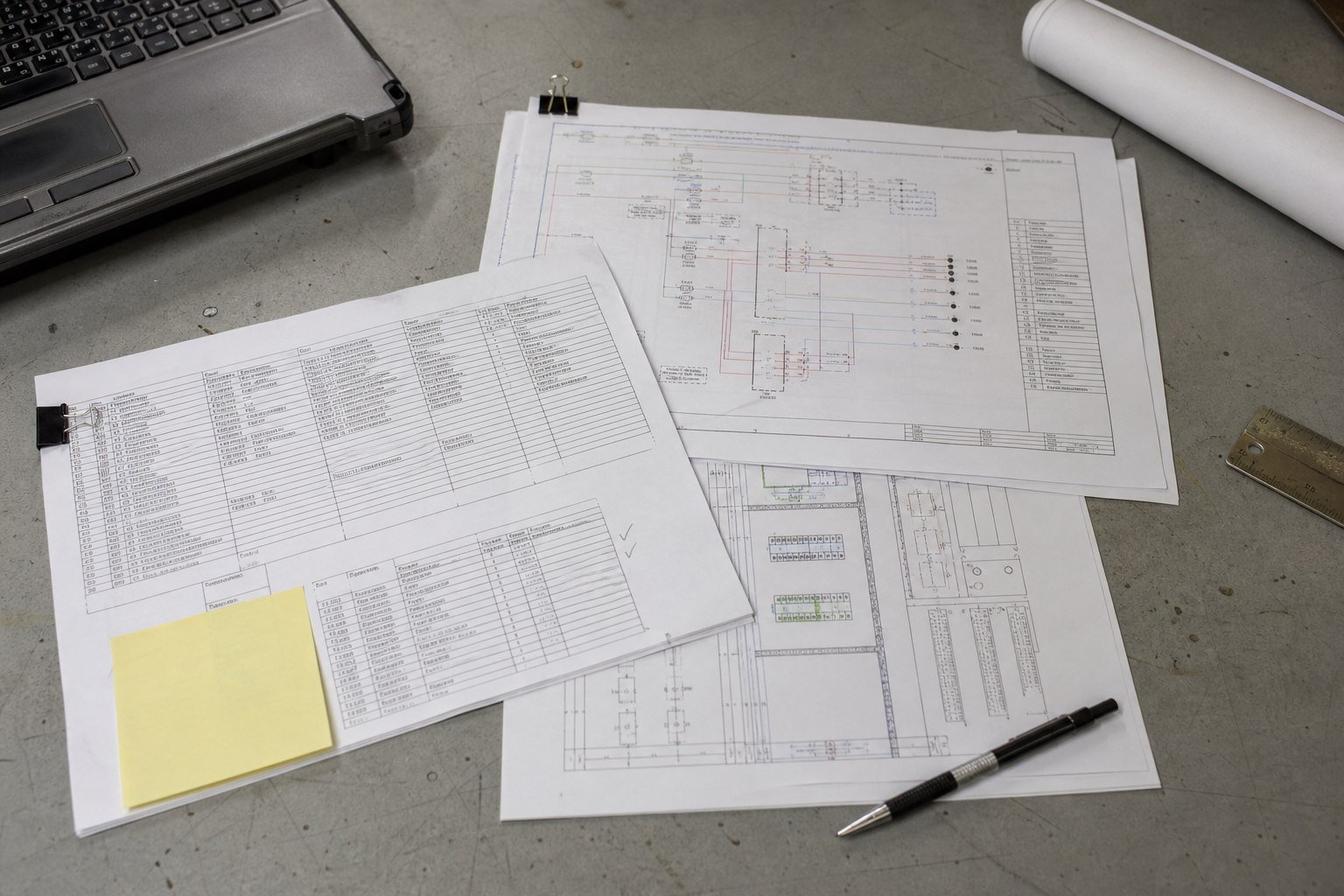
Use controlled documents with file names, revision numbers, and issue dates. Mark preliminary information clearly.
Functional description or sequence of operation
Explain start and stop conditions, operating modes, alarms, interlocks, fault responses, and operator actions.
Single-line diagram
Show the incoming supply, distribution concept, protective devices, major loads, and external connections.
Electrical schematics
Provide available power, control, I/O, communication, and safety drawings. If the supplier creates them, define the format and approval process.
I/O list
Identify each signal, device tag, description, signal type, voltage or range, source or destination, and special requirement. Separate digital, analog, temperature, high-speed, and networked signals.
Do not add an arbitrary spare-I/O percentage without considering the project. Instead, state the required spare strategy by I/O type, rack location, terminal capacity, and future expansion plan.
Bill of materials
List preferred manufacturers, full model numbers, quantities, accessories, and approved alternatives. Include terminals, relays, power supplies, switches, circuit protection, cooling, wiring ducts, markers, and hardware.
Panel layout and mechanical drawings
Provide enclosure size, mounting plate layout, door arrangement, cutouts, gland details, component positions, and service clearances. If dimensions are open, identify the maximum installation envelope.
Network architecture
Show which PLC, HMI, drives, remote I/O, switches, supervisory systems, and field devices communicate. State the protocols and configuration responsibility.
If your project requirements are still being defined, SMK’s guide to what a PLC control cabinet is can help align the basic functions and components before the RFQ is issued.
4. Control Brands, Models, and Substitutions
Component identity can materially change price, availability, engineering time, and software compatibility. Write down:
- Required brand and full model number
- Firmware or hardware revision when relevant
- Required accessories and communication modules
- Acceptable alternative brands or models
- Components for which substitution is not allowed
- Who must approve a proposed change
- Spare-parts requirements
Ask suppliers to list every substitution and every unavailable item in the quotation. An alternative should not be treated as equivalent until the buyer has reviewed electrical ratings, dimensions, communication, software, documentation, and maintenance implications.
For repeat OEM orders, define a change-control process. The supplier should not change an approved component, drawing, label, terminal, or wiring method without written review.
5. Specify Internal Wiring and Cable Management
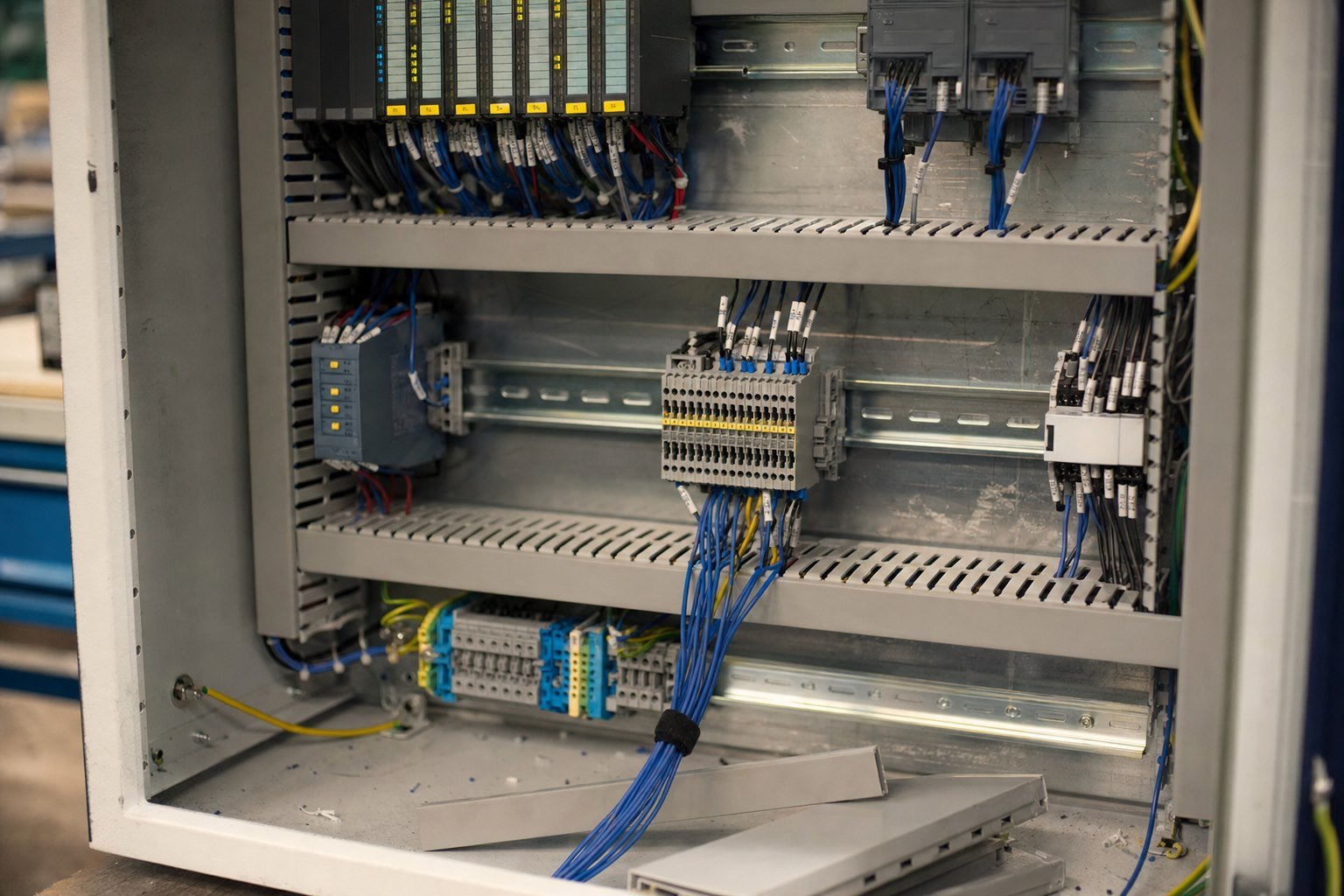
Cabinet performance is not determined by major components alone. Internal routing affects assembly, inspection, troubleshooting, and future maintenance.
The RFQ should state:
- Wire type, size, color, and identification method
- Terminal numbering and spare-terminal requirements
- Cable entry and gland requirements
- Separation requirements for power, control, signal, safety, and communication wiring
- Grounding and bonding requirements
- Wiring duct type, size, color, cover style, and fill criteria
- Cable tie or reusable tie use where appropriate
- Label language and naming convention
- Required wire and terminal schedules
Wiring duct capacity should be based on conductor or cable outside diameter, the actual internal duct dimensions, permitted fill, bends, slot exits, heat, and space for future changes. Do not rely only on a generic “number of wires” because conductors with different outside diameters occupy different areas.
SMK lists multiple width and height options for its insulated wiring duct. Product-specific values should be reconfirmed in the final quotation. Buyers can also review SMK’s control panel and wiring duct applications and PVC blank casing for wire identification.
6. Define PLC, HMI, and Software Responsibilities
Hardware and software scope should be separated in the quotation. Clarify whether the supplier is responsible for:
- PLC program development or modification
- HMI screen design
- Variable-frequency drive or servo parameter setup
- Network configuration
- Alarm, recipe, trend, and user-access functions
- Software licenses
- Simulation or offline testing
- On-site commissioning
- Remote support
- Source-code and password handover
- Backup files and revision records
If the buyer supplies the program, identify the software version, hardware target, file format, and testing responsibility. If the supplier develops the program, provide the sequence of operation and acceptance criteria.
Confirm ownership and handover requirements before the order. A working cabinet is not a complete engineering deliverable if the required editable files, backups, passwords, and revision information are missing from the agreed scope.
7. State Inspection, Testing, and Acceptance Requirements

“Tested before shipment” is too broad for a custom control panel RFQ. Define what the supplier must inspect, what functions must be demonstrated, and what records the buyer expects.
A project-specific test scope may include:
- Visual and workmanship inspection
- Component and model verification against the approved BOM
- Wire and terminal label check
- Point-to-point continuity checks
- Power-up inspection
- I/O simulation
- Alarm and interlock checks
- HMI and communication checks
- Functional acceptance testing
- Buyer-witnessed factory acceptance test
- Test records, photographs, or video
- Punch-list closure before shipment
The required tests depend on the design and application. Any applicable standard, customer specification, certification, or third-party inspection requirement should be identified in the RFQ, then confirmed for availability and scope by the supplier. Do not assume that a general company document applies to every cabinet.
8. Include Commercial and Delivery Information
Technical information creates a comparable scope; commercial information makes the quotation usable.
Provide:
- Prototype, pilot, and production quantities
- Expected repeat-order volume when available
- Required quotation currency
- Delivery destination
- Requested trade term
- Target shipment or project date
- Packaging and shipping-mark requirements
- Required document language
- Manuals, drawings, packing lists, and other deliverables
- Sample or first-article approval process
- Warranty terms to be quoted, not assumed
- Requested quotation validity
Ask the supplier to separate hardware, engineering, programming, testing, documentation, packaging, freight, installation, and commissioning where practical. This makes scope differences easier to identify.
9. Compare Quotations by Assumptions, Not Price Alone
Before selecting a PLC cabinet supplier, create a comparison sheet. Check whether each quotation covers the same:
| Comparison item | What to verify |
|---|---|
| Cabinet scope | Build-to-print, design, programming, installation |
| Components | Exact models, quantities, accessories, substitutions |
| Drawings | Supplied by buyer or created by supplier |
| Software | PLC, HMI, drives, licenses, source files |
| Testing | Inspection steps, FAT, records, witness requirements |
| Documentation | Schematics, BOM, manuals, backups, language |
| Delivery | Lead-time basis, packaging, trade term, destination |
| Exclusions | Site work, cables, sensors, commissioning, travel |
A low price may reflect missing engineering, different components, limited testing, or excluded documentation. Resolve every important assumption in writing before placing the order.
10. Copy-and-Send PLC Control Cabinet RFQ Checklist
Before sending your inquiry, confirm that the package includes:
- Project and machine description
- Build-to-print, design-and-build, or retrofit scope
- Incoming power and control voltage
- Load and motor information
- Functional description or sequence of operation
- Single-line diagram and available schematics
- PLC I/O list
- BOM with brand, model, and substitution rules
- Cabinet dimensions and layout constraints
- Installation environment and cable entry
- Network and communication requirements
- Internal wiring, duct, terminal, and label requirements
- PLC, HMI, and software scope
- Inspection, FAT, and acceptance requirements
- Required drawings, files, manuals, and records
- Quantity, destination, target date, and commercial terms
The document package does not need to be perfect before the first discussion. It should, however, show which information is approved, which is preliminary, and which items require supplier input.
Request a Practical PLC Control Cabinet Quotation
SMK provides project-based PLC control cabinet solutions for industrial equipment, production lines, machine control, and OEM applications. Cabinet layout, component arrangement, internal wiring support, cable entry, labels, and packaging can be discussed according to project requirements.
Send your cabinet size, electrical layout, component list, I/O information, drawings, quantity, installation environment, and required delivery scope through the SMK contact and quotation page. The clearer the requirement package, the easier it is to review the project and prepare a relevant quotation.
Frequently Asked Questions
What is the minimum information needed for a PLC control cabinet quotation?
At minimum, provide the cabinet function, power supply, main loads, I/O summary, required components, quantity, installation environment, and expected scope. Drawings, a BOM, and a sequence of operation will make the quotation more precise.
Do I need complete electrical drawings before contacting a supplier?
Not always. A design-and-build inquiry can begin with functional requirements, an I/O list, load data, and layout constraints. Clearly state which drawings the supplier must create and how they will be reviewed and approved.
What should be included in a PLC I/O list?
Include the device tag, description, I/O type, signal voltage or range, source or destination, terminal information when available, and any special requirements. Keep the revision status visible.
Should I specify PLC and HMI brands in the RFQ?
Yes, when the project requires compatibility with existing software, plant standards, spare parts, or engineering skills. Use full model numbers where possible and state whether alternatives are permitted.
How can buyers make PLC cabinet quotations easier to compare?
Send the same controlled RFQ package to each supplier and compare exact components, engineering scope, software, testing, documentation, exclusions, delivery basis, and commercial terms—not only the total price.
Related Products
Products for This Guide
Review specifications or request pricing for the products most relevant to this article.
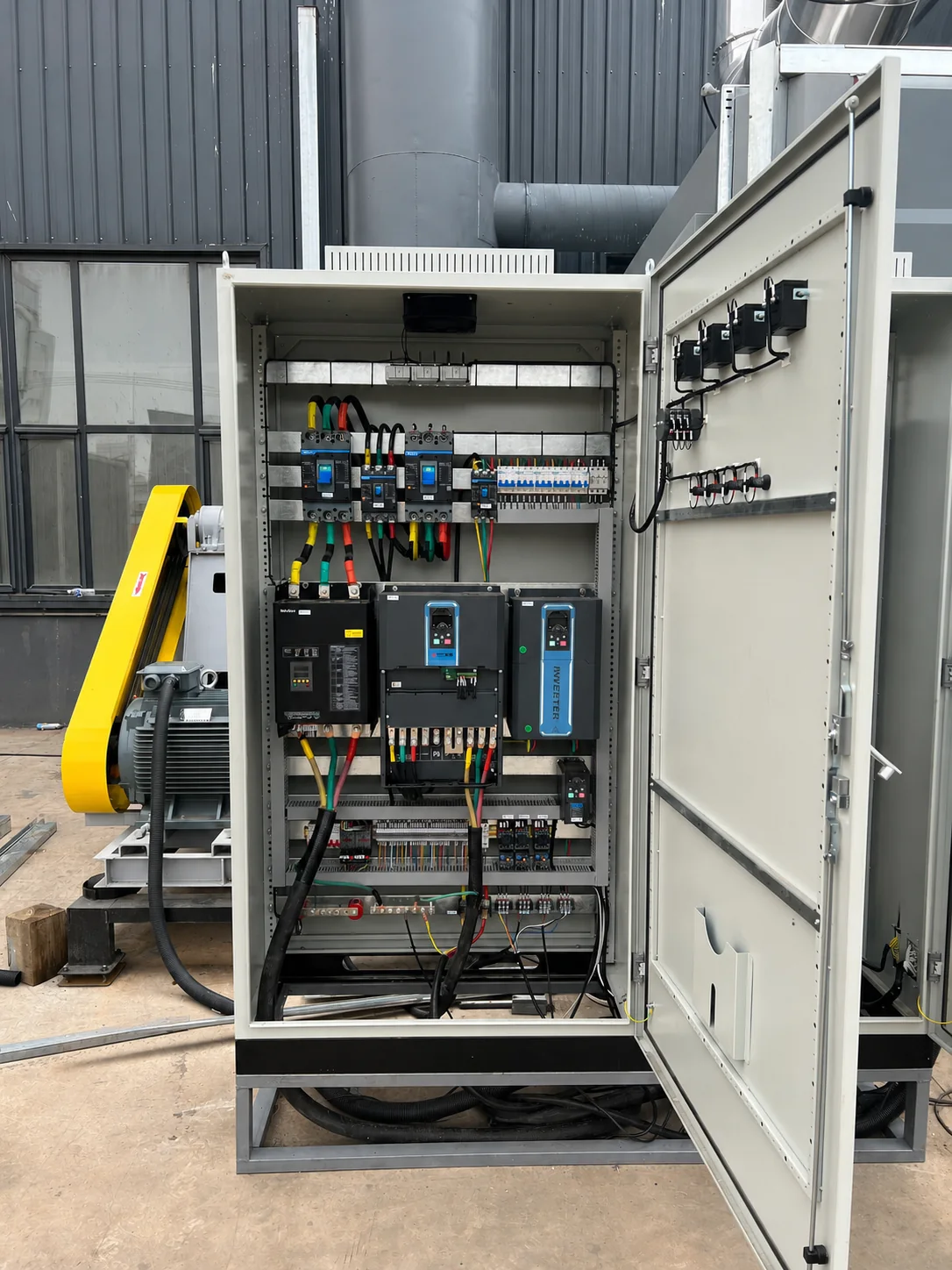
Power Distribution Cabinet
Reliable electrical cabinet solutions for power distribution, circuit protection, and organized industrial wiring systems.
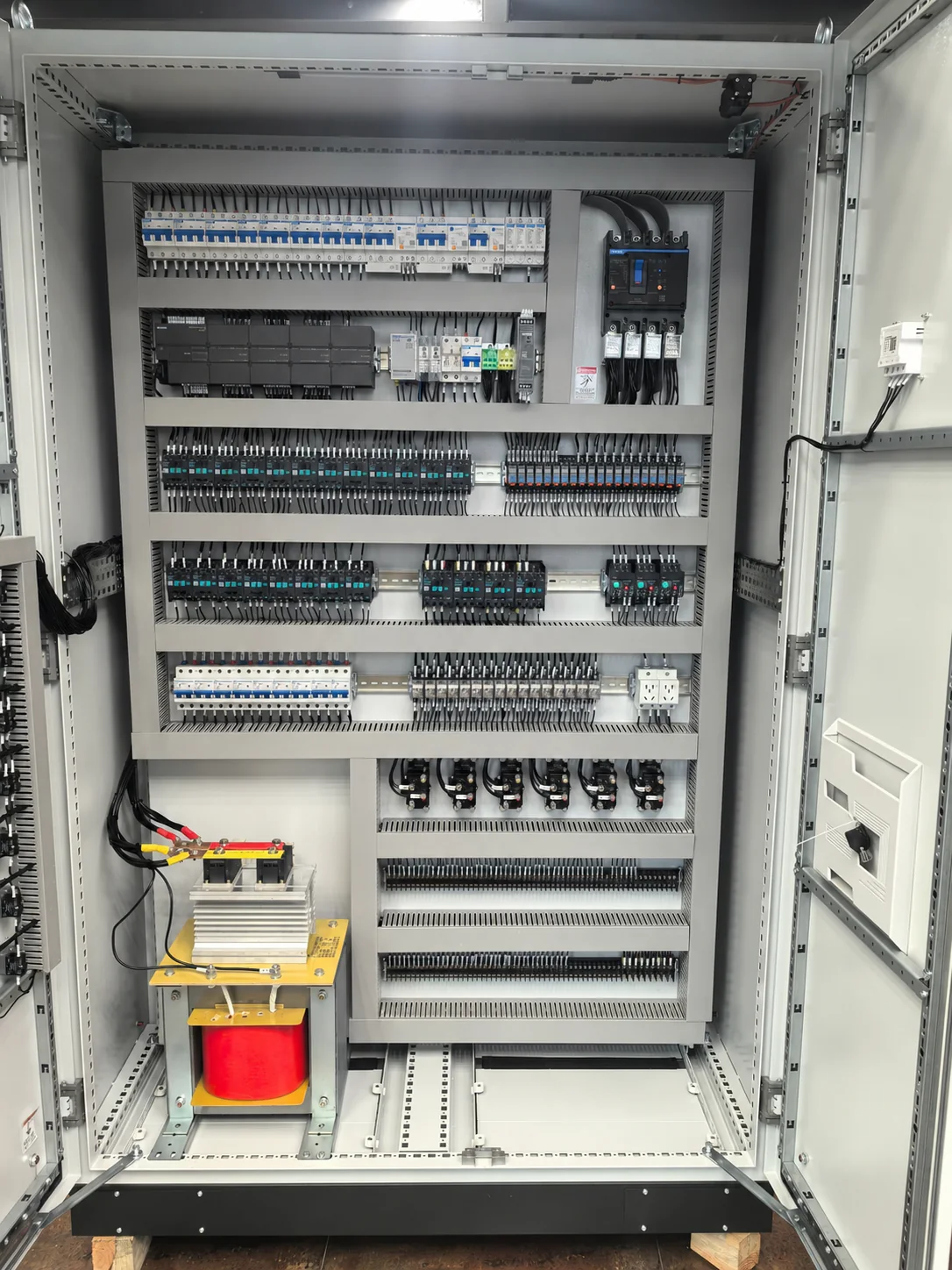
PLC Control Cabinet
Automation control cabinet solutions for equipment operation, PLC control systems, sensor signals, and production line control.
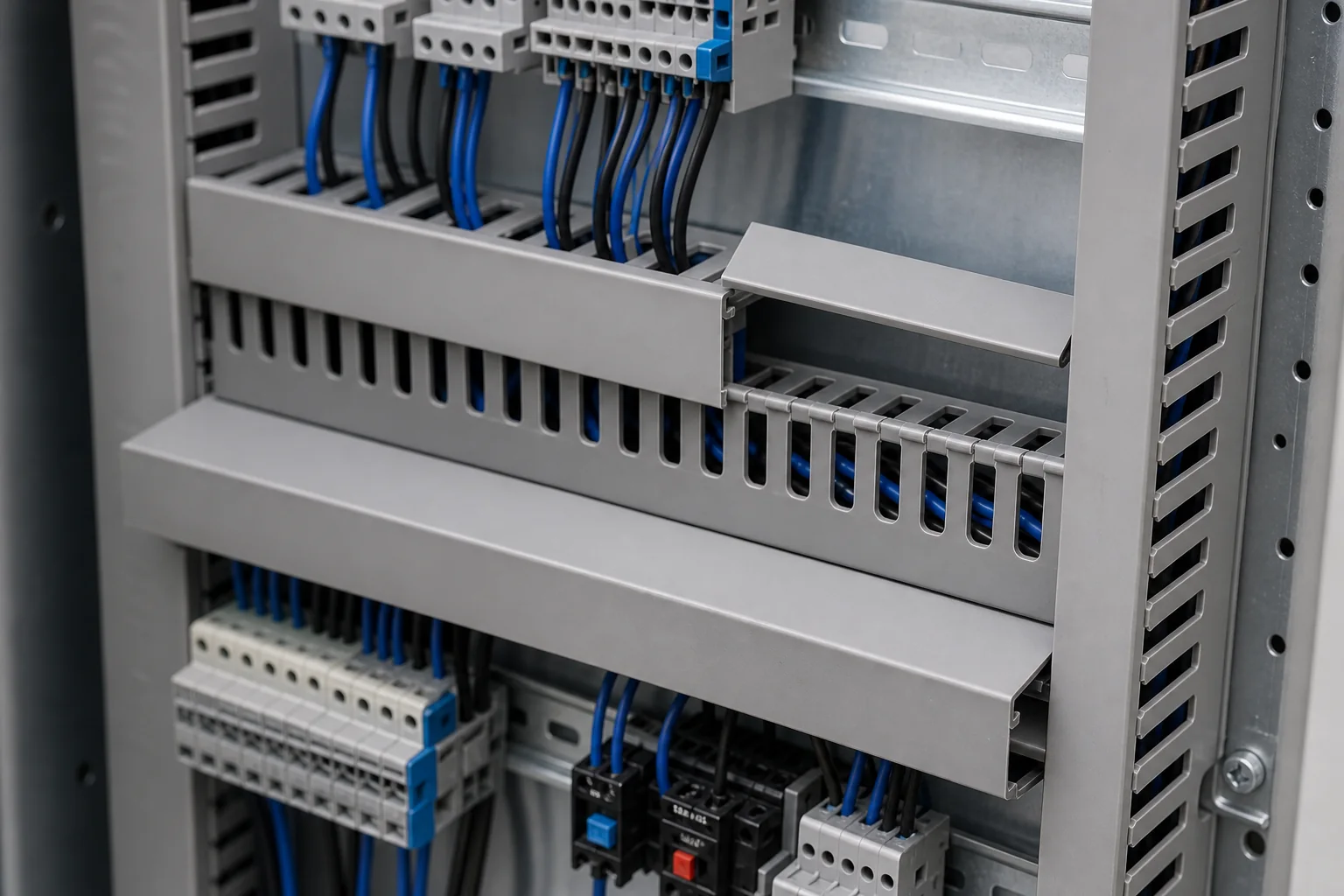
Insulated Wiring Duct
Standard slotted PVC wiring duct for organized routing inside control panels and electrical cabinets.