

PVC wire marker tube looks simple, but a small sizing error can slow an entire panel-building workflow. A tube may match the conductor cross-section shown in a catalogue yet fit poorly over the actual insulation. It may slide correctly by hand but fail to feed through the printer. Even a technically readable marker can become difficult to inspect if its length, orientation or numbering format is inconsistent.
For OEM buyers, panel builders and distributors, the best result comes from treating wire identification as a complete process rather than purchasing tubing by nominal size alone. This PVC wire marker tube sizing guide explains how to shortlist a model, approve it on real wires and printers, and control the result in repeat production.
What Is PVC Blank Casing?
PVC blank casing is a soft, printable tube used to identify individual wires. SMK’s PVC Blank Casing is supplied on reels for cutting and printing. The published construction uses soft white PVC with a smooth outer surface and internal gripping teeth. Listed applications include wire identification, control-panel wiring, terminal marking and electrical-harness production.
The tube is blank when supplied, so the panel builder controls the printed text and cut length. The tubing, printer, ribbon, data file, cutting method and assembly sequence must work as one system. Do not assume that every white PVC tube is heat-shrinkable or compatible with every marker printer.
Start with Three Different Size Inputs
The most common selection mistake is to treat one measurement as if it describes the complete wire. In practice, three inputs need separate attention.
1. Conductor cross-section
Cross-section, normally stated in mm², describes conductor area and appears in SMK’s model table. It does not state the finished outside diameter of the insulated wire.
2. Finished wire outside diameter
The tube fits over insulation, not bare copper. Wires with the same conductor cross-section can have different outside diameters. Measure the smallest and largest permitted production wires with their insulation in place.
3. Printer and cutter range
Check the printer manufacturer’s supported consumables, feed range, ribbon and cutting settings. A tube that fits the wire but does not feed, print or cut consistently is not an approved combination.
Use all three inputs to create a shortlist. Then validate that shortlist with representative samples.
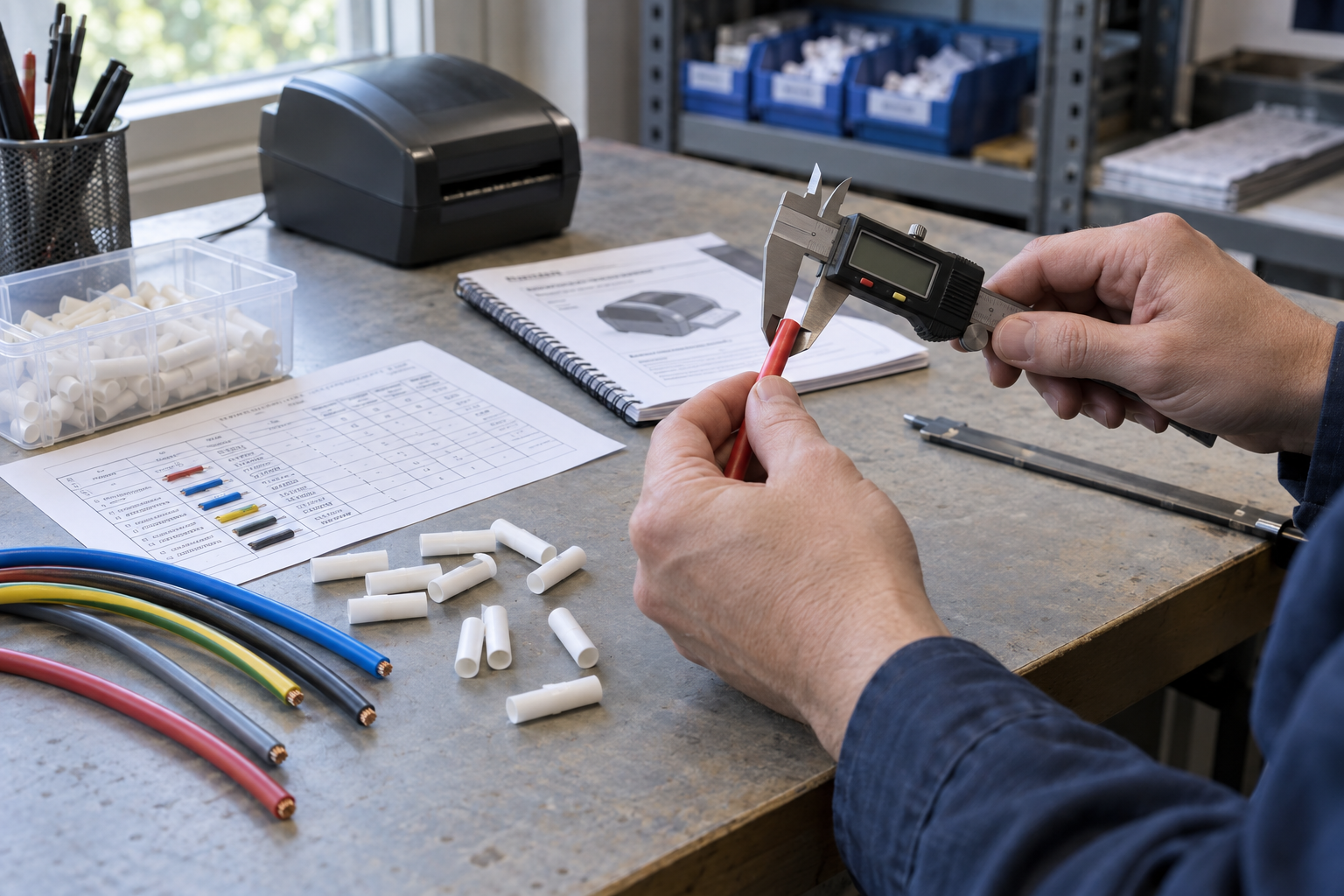
SMK PVC Wire Marker Tube Size Reference
SMK currently publishes the following model-to-size relationships. Use them as an initial selection reference, not as a substitute for testing the actual insulated wire and printer.
| Model | Published inner diameter | Published suitable wire cross-section |
|---|---|---|
| O-0.25 | 1.0 mm | 0.25 mm² |
| O-0.5 | 1.5 mm | 0.5 mm² |
| O-0.75 | 2.0 mm | 0.75 mm² |
| O-1.0 | 2.5 mm | 1.0 mm² |
| O-1.5 | 3.0 mm | 1.5 mm² |
| O-2.5 | 3.5 mm | 2.5 mm² |
| O-4.0 | 4.0 mm | 4 mm² |
| O-6.0 | 5.0 mm | 6 mm² |
| O-8.0 | 6.0 mm | 8 mm² |
| O-10 | 7.0 mm | 10 mm² |
| O-12 | 8.0 mm | 12 mm² |
| O-16 | 10 mm | 16 mm² |
| O-25 | 12 mm | 25 mm² |
Do not automatically replace one model with the next larger size when fit is tight. A larger tube may be easier to load but may move too freely or present differently near the terminal. Compare adjacent candidates on the smallest and largest approved wire conditions.
How to Approve the Fit on the Real Wire
A useful fit trial should reproduce assembly and inspection, not simply prove that the tube can be pushed over a short wire sample.
Cut markers to the proposed length, print the real character format and install them using the planned sequence. A closed tube normally needs to go on before a terminal, ferrule or connector blocks the wire end.
At the termination point, confirm the marker remains readable without blocking the terminal or interfering with the bend into the wiring duct. Inspect it from the normal service position.
Finally, repeat the check on:
- The smallest and largest wire outside diameters allowed by the drawing
- Each approved wire brand or insulation family that changes diameter
- Straight runs and the tightest relevant bend near a terminal
- Short and long print strings
- The first and last markers from a representative print batch
Record the tube model, wire part number, measured OD, printer, ribbon, cut setting and accepted length. Approve the complete combination, not only the tube.
Build a Repeatable Printing and Assembly Workflow
Begin with a controlled wire list or terminal schedule containing the wire number, origin, destination, marker text, quantity and drawing revision. Use one naming convention that follows the project’s drawings and applicable requirements.
A practical workflow is:
- Release the approved wire list and drawing revision.
- Group marker data by tube size and production batch.
- Load the approved tube and ribbon into the approved printer.
- Print a first-piece sample and verify text, spacing and cut position.
- Print and cut the batch while preserving sequence.
- Keep different sizes and revisions physically separated.
- Install markers before blocked wire ends are terminated.
- Verify both ends of every wire against the drawing.
- Record any reprint and remove obsolete markers from the workstation.
Serialized printing and half-cut output can preserve order when the equipment supports them. Approve the settings during the trial rather than copying another machine.

Choose Marker Length Around Readability and Space
Tube diameter is only one part of the specification. Marker length affects text space, handling and terminal clearance.
Start with the longest identification string and required character height. Leave margin at the cut edges, then check the marker between the insulated wiring duct exit and terminal. A long marker can overlap a bend; a short one can be difficult to handle and read.
Confirm the character set for multilingual or customer-specific labels. Distributors should publish a tested compatibility list or require buyers to confirm their printer and ribbon combination.
Common PVC Marking Tube Problems
The tube fits one wire brand but not another
The conductor area may be the same while insulation OD differs. Add approved wire part numbers and an OD range to the internal specification, then test the boundary conditions.
The print rubs, smears or looks faint
Check the printer, ribbon, density setting, surface cleanliness and feed alignment. Approve legibility under the project’s relevant handling and inspection conditions.
Markers are installed in the wrong order
Preserve sequence through the print, cut and kitting process. Separate batches by panel, harness or drawing section, and make revision status visible at the workstation.
The marker cannot pass a finished terminal
Move marking earlier in the assembly sequence or select a different identification method for retrofit work. A closed slip-on tube is not automatically the best choice when both wire ends are already terminated.
The size table is treated as a universal fit guarantee
Use the table to shortlist samples. Final fit depends on the actual insulated wire, marker length, terminal area and handling method.

Sample-Approval Checklist for Buyers
Before bulk approval, run a trial using production materials and operators. Check:
- Correct reel and model identification
- Tube inner diameter against the quoted value
- Appearance, color and surface consistency
- Feeding through the intended printer
- Print contrast, alignment and repeatability
- Full-cut or half-cut behavior, as applicable
- Fit on the minimum and maximum approved wire OD
- Position and readability beside the terminal
- Assembly sequence and operator handling
- Packaging that keeps sizes and lots identifiable
Keep an approved sample or clear photographs with the purchase specification. Use the same acceptance points for repeat orders.
RFQ Checklist for PVC Wire Marker Tubing
An effective inquiry should include:
- Required model or candidate inner diameter
- Wire conductor cross-section and measured insulated OD range
- Wire type or part number
- Printer model, ribbon and cutting method
- Required marker length and example print string
- Estimated quantity or reel demand by size
- Application, such as PLC panel, distribution cabinet or harness production
- Operating environment and any required project documentation
- Packaging, labeling, private-label and target-market requirements
- Sample quantity and acceptance method
If the tubing is part of a cabinet project, align it with the terminal schedule, wire list and label rules described in SMK’s PLC Control Cabinet RFQ Checklist. The main electrical control cabinet components guide also shows how markers fit into the broader wiring and cable-management system.
Specify the Identification System, Not Just the Tube
A reliable marker is the outcome of compatible material, accurate wire data, controlled printing and correct assembly. Buying only by conductor cross-section leaves too many variables open.
Panel builders should approve the complete tube-wire-printer combination. Distributors should collect printer and application information before recommending a size. OEM teams should keep marker text and drawing revisions under the same change-control process as terminals and wiring.
For a complete cabinet project, review SMK’s PLC Control Cabinets and broader control-panel wiring applications alongside the marker specification.
SMK supplies reel-form PVC blank casing in the published size range for wire identification and panel assembly. To discuss sizes, samples, packaging or project requirements, send the wire cross-section, measured OD range, printer model, example marker text, quantity and target market through the SMK contact and quotation page.
Frequently Asked Questions
How do I choose the correct PVC wire marker tube size?
Use the supplier’s cross-section table to shortlist models, then measure the actual insulated wire outside diameter. Test adjacent tube sizes on the minimum and maximum approved wire conditions and confirm printer feed before final approval.
Is wire cross-section the same as wire outside diameter?
No. Cross-section describes conductor area, while outside diameter includes insulation. Wires with the same mm² value can have different finished diameters, so direct measurement is important.
Can any PVC marker tube be used in any tube printer?
No universal compatibility should be assumed. Confirm the printer’s supported tube range, ribbon and cutting method, then test feeding, print quality and cut consistency with the exact tube.
Should marker tubes be installed before or after termination?
A closed slip-on tube normally needs access to a free wire end. Plan to install it before a terminal, ferrule or connector blocks that end, unless the approved assembly method establishes otherwise.
What information should I send for a quotation?
Send the candidate size, conductor cross-section, measured insulated OD, wire type, printer model, marker length, print example, quantities, packaging needs, application, target market and required documents.
Related Products
Products for This Guide
Review specifications or request pricing for the products most relevant to this article.
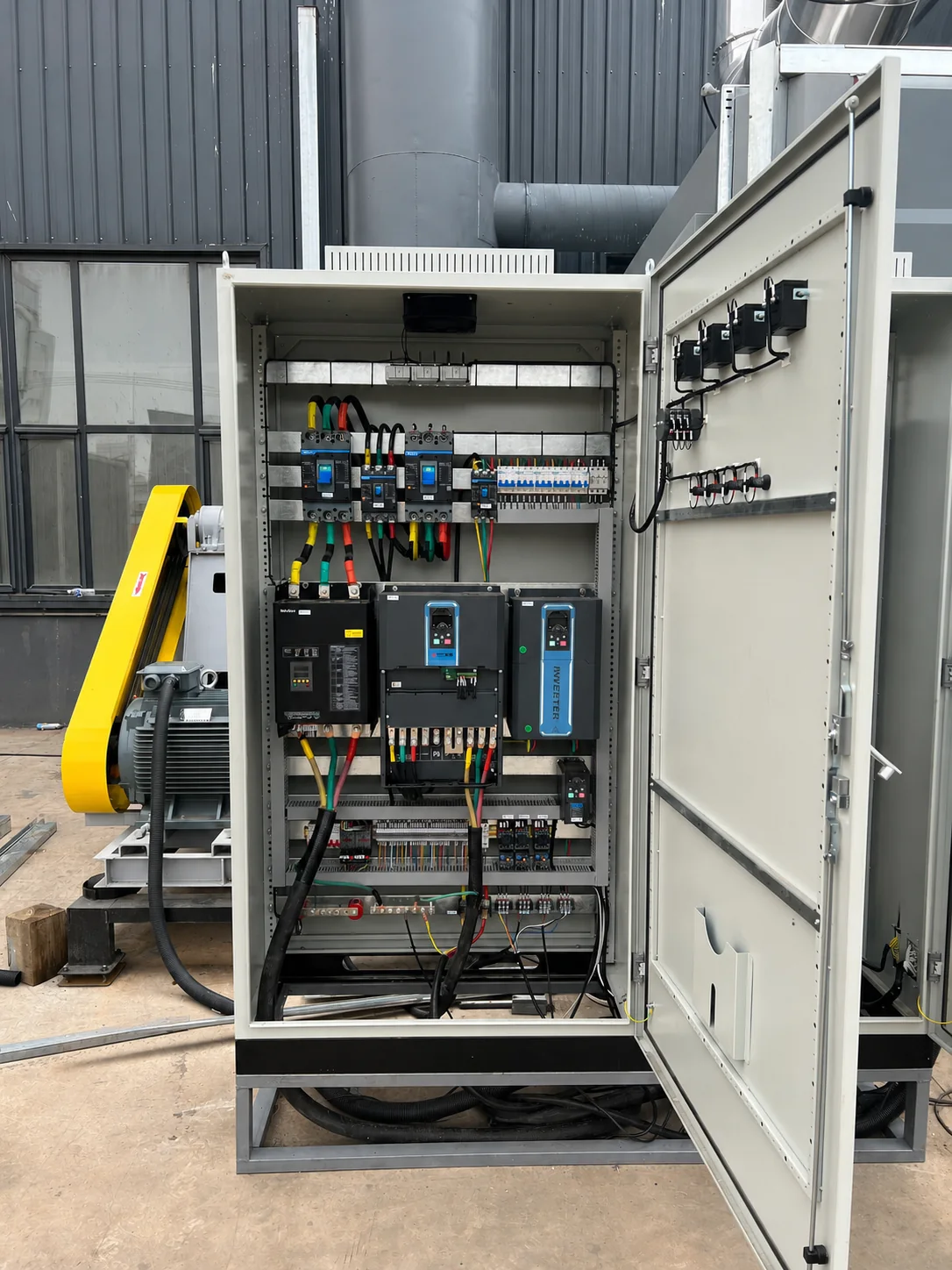
Power Distribution Cabinet
Reliable electrical cabinet solutions for power distribution, circuit protection, and organized industrial wiring systems.
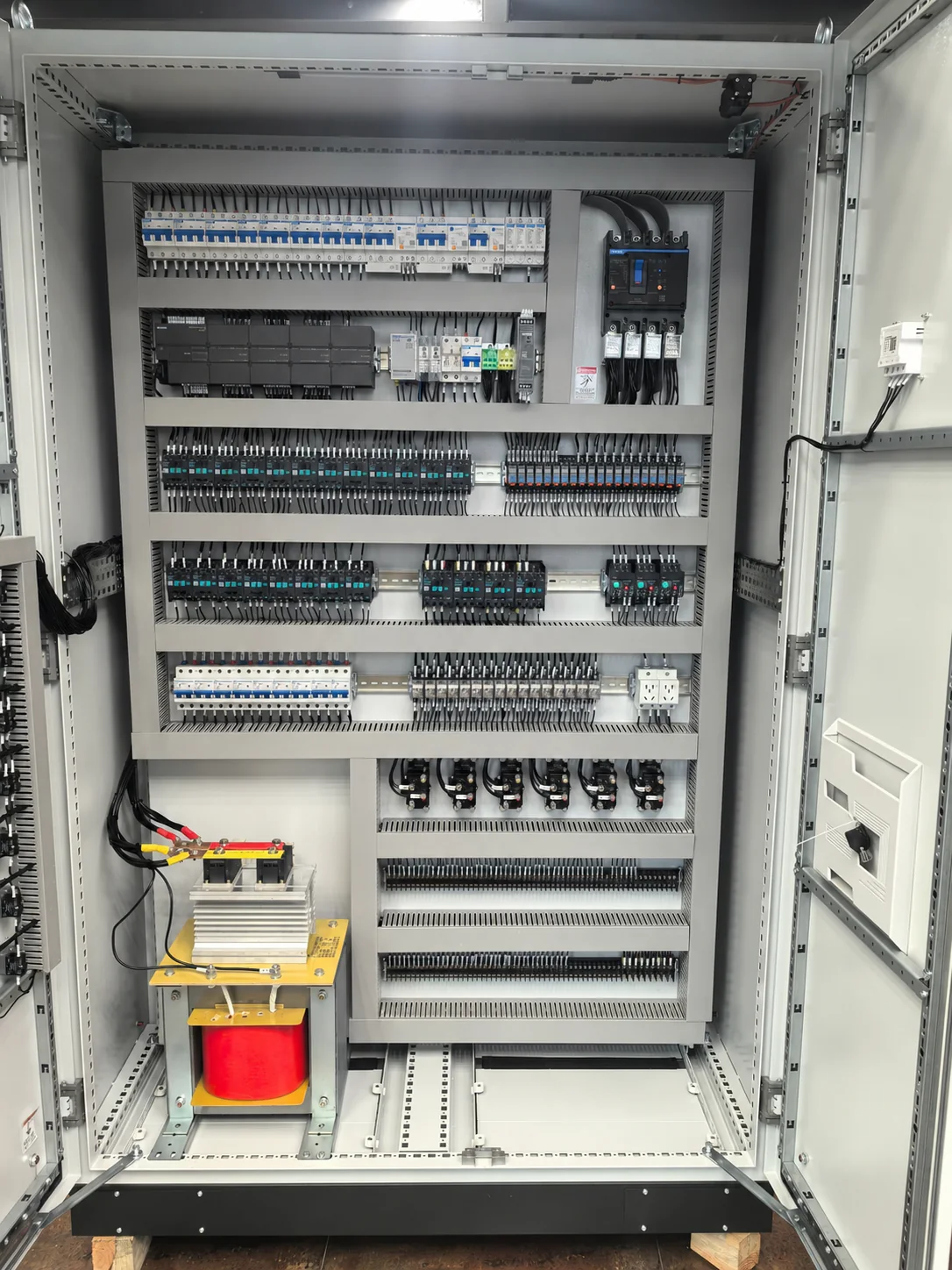
PLC Control Cabinet
Automation control cabinet solutions for equipment operation, PLC control systems, sensor signals, and production line control.
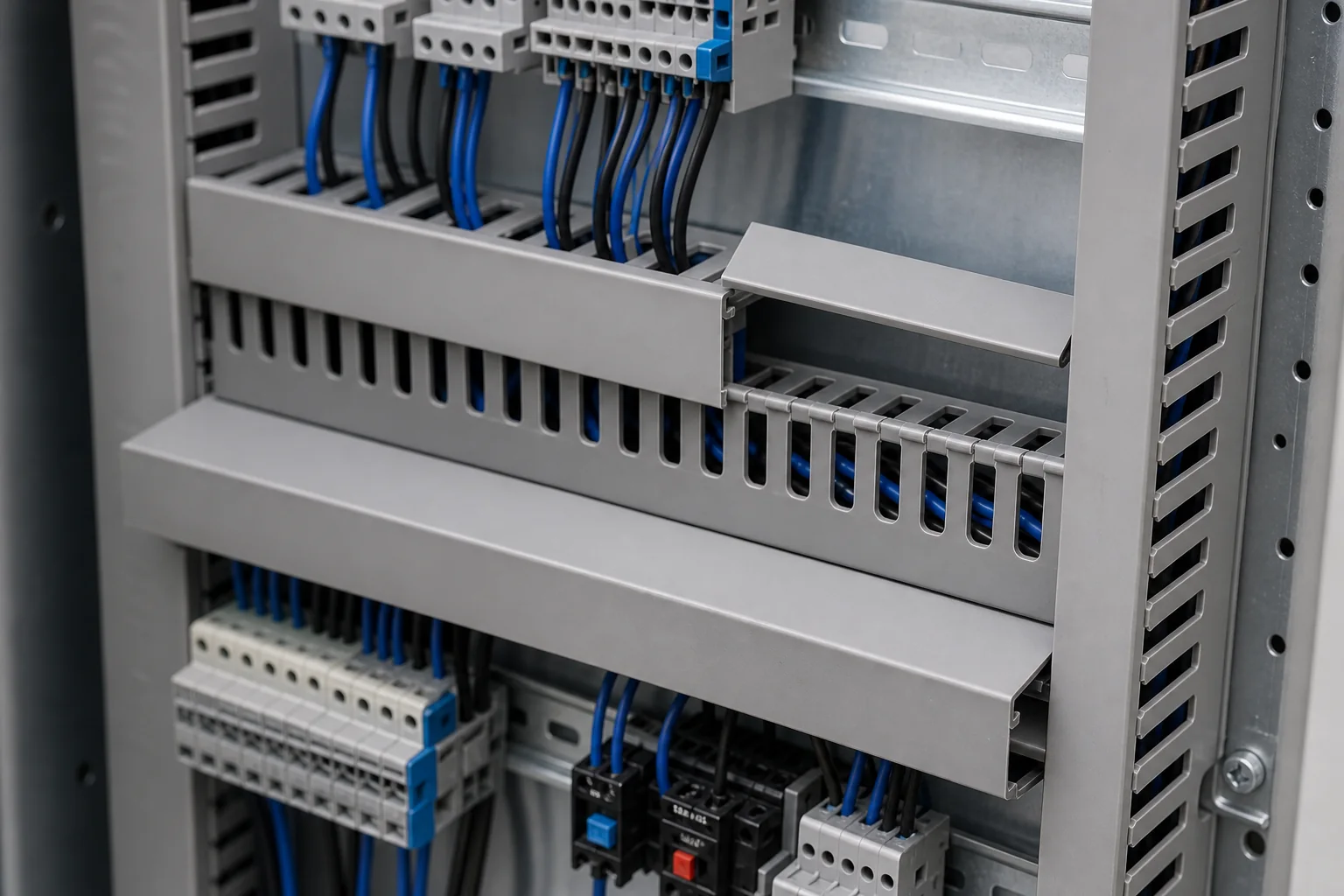
Insulated Wiring Duct
Standard slotted PVC wiring duct for organized routing inside control panels and electrical cabinets.